Designing for the Great Ocean Road
Designing for the Great Ocean Road
Feb 04, 2026
How to Reimagine Coastal Properties with Respect, Resilience and Real Beauty
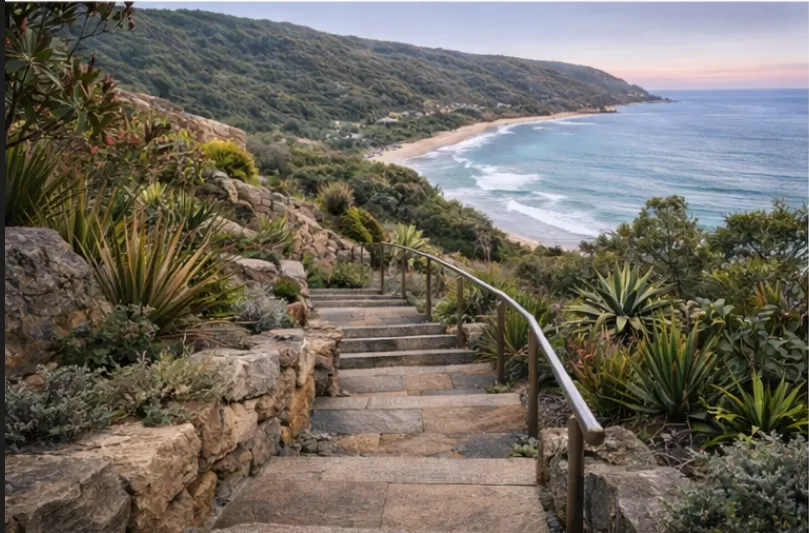
The Great Ocean Road isn’t just a location.
It’s a way of living with land that has its own rules.
Steep slopes.
Exposed ridgelines.
Salt air, wind, shade, fire, and water—all in constant conversation.
Designing here isn’t about imposing ideas.
It’s about listening first.
Why Coastal Properties Need a Different Design Mindset
From Wye River to Lorne, Kennett River to Apollo Bay, properties along the coast share a few realities:
- Sloping, often irregular blocks
- Sensitive vegetation and environmental overlays
- Bushfire Management Overlays (BMOs)
- Difficult access for construction
- Views that must be protected, not blocked
Great design in this region doesn’t fight those constraints.
It uses them as a framework for better decisions.
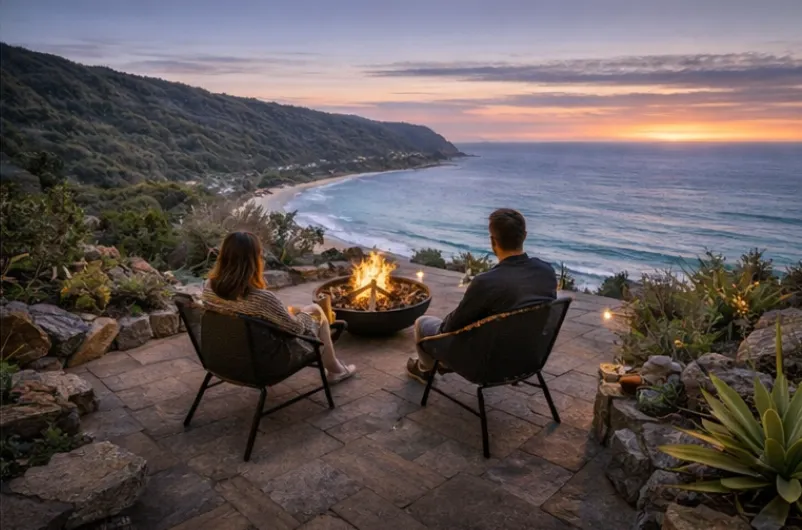
Reimagining Outdoor Space — Not Just Adding It
One of the most common mistakes in coastal landscaping is treating outdoor areas as afterthoughts: a deck here, some paving there.
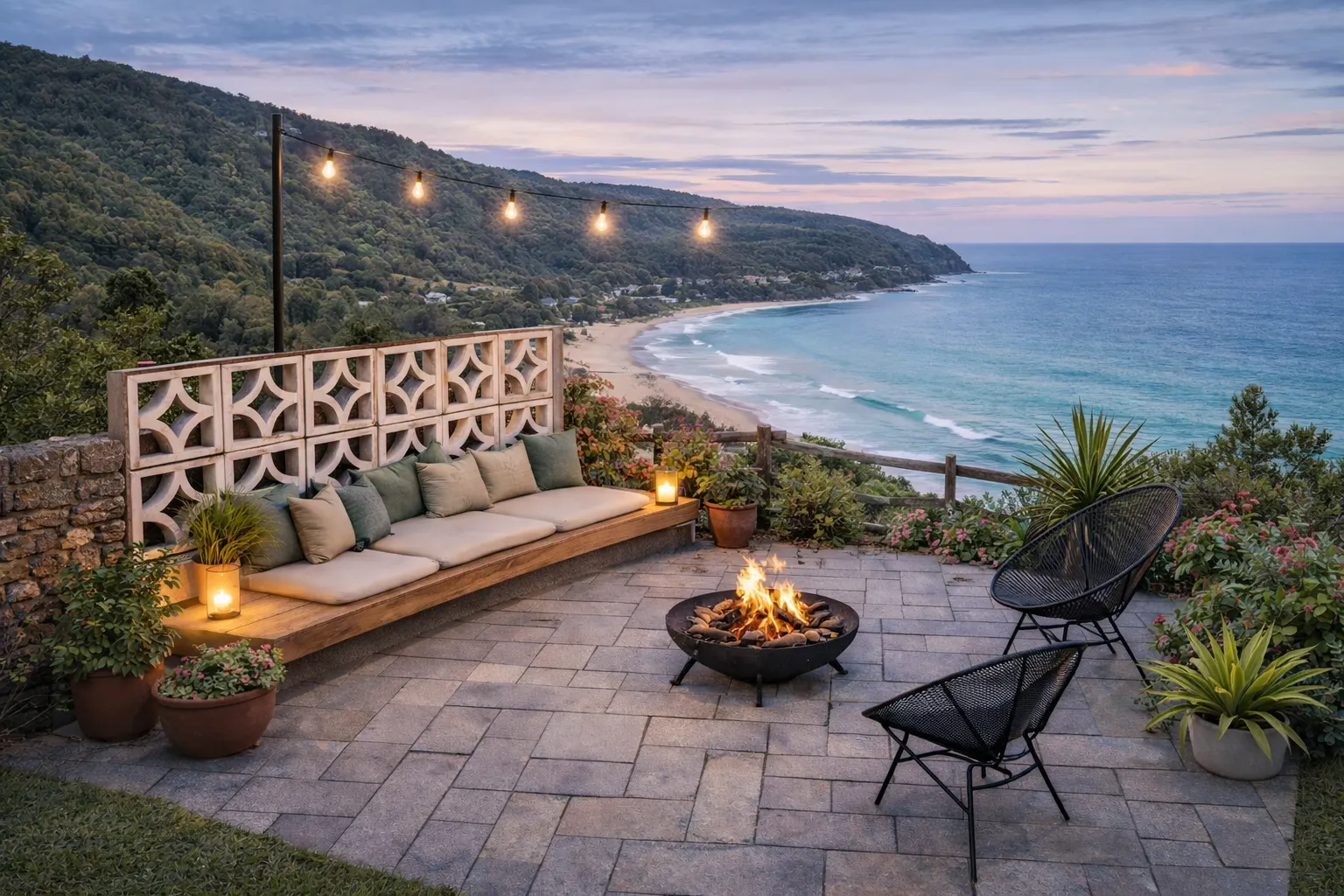
Instead, the most successful Great Ocean Road landscapes create:
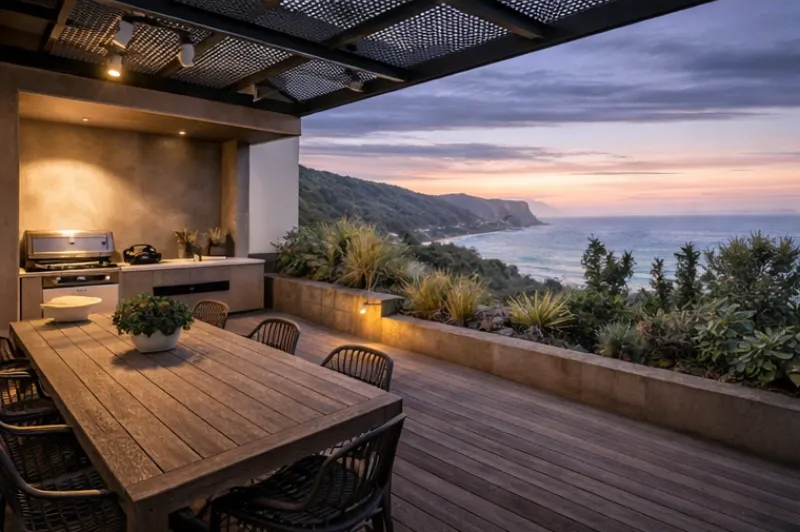
- Outdoor rooms, not platforms
- Sheltered spaces, not exposed edges
- Moments of arrival, not instant reveal
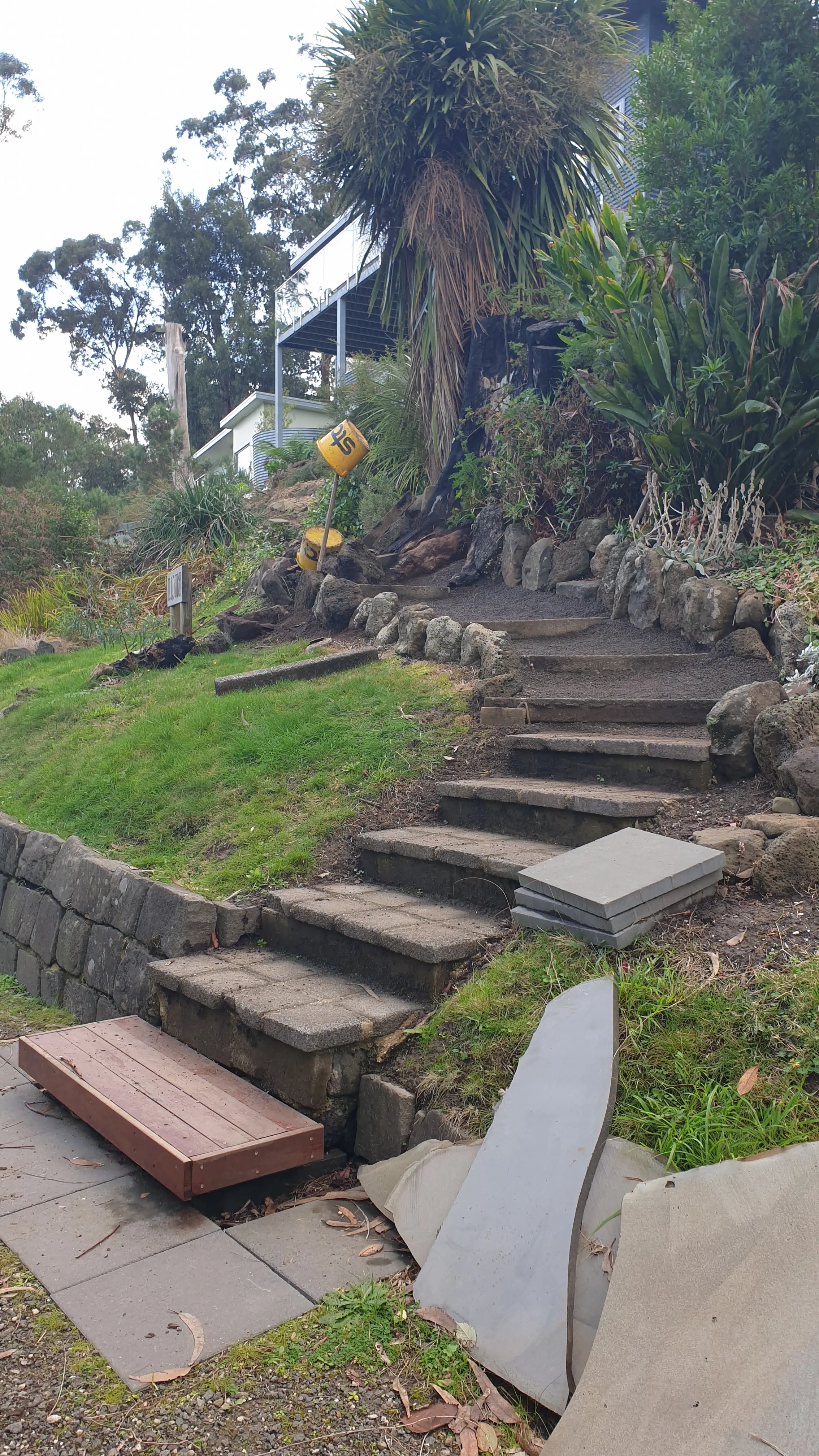
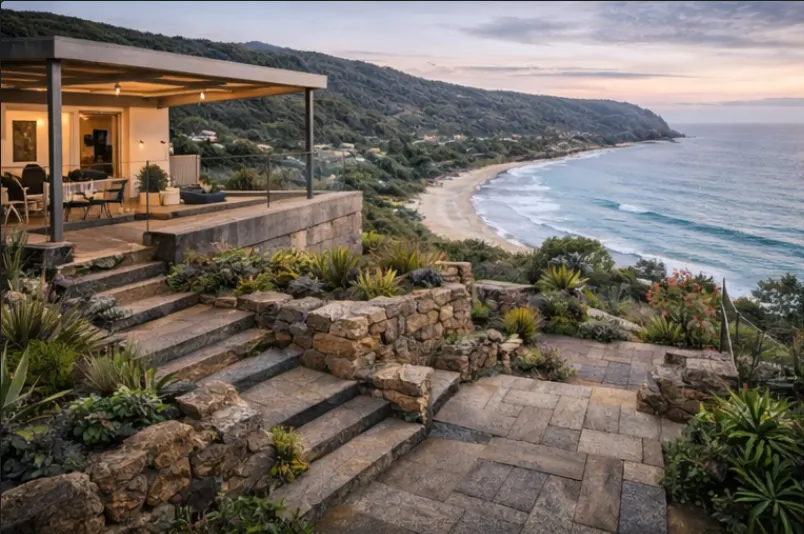
Terraces are often cut into slopes, not perched above them.
Screens filter wind and sun rather than shutting out the landscape.
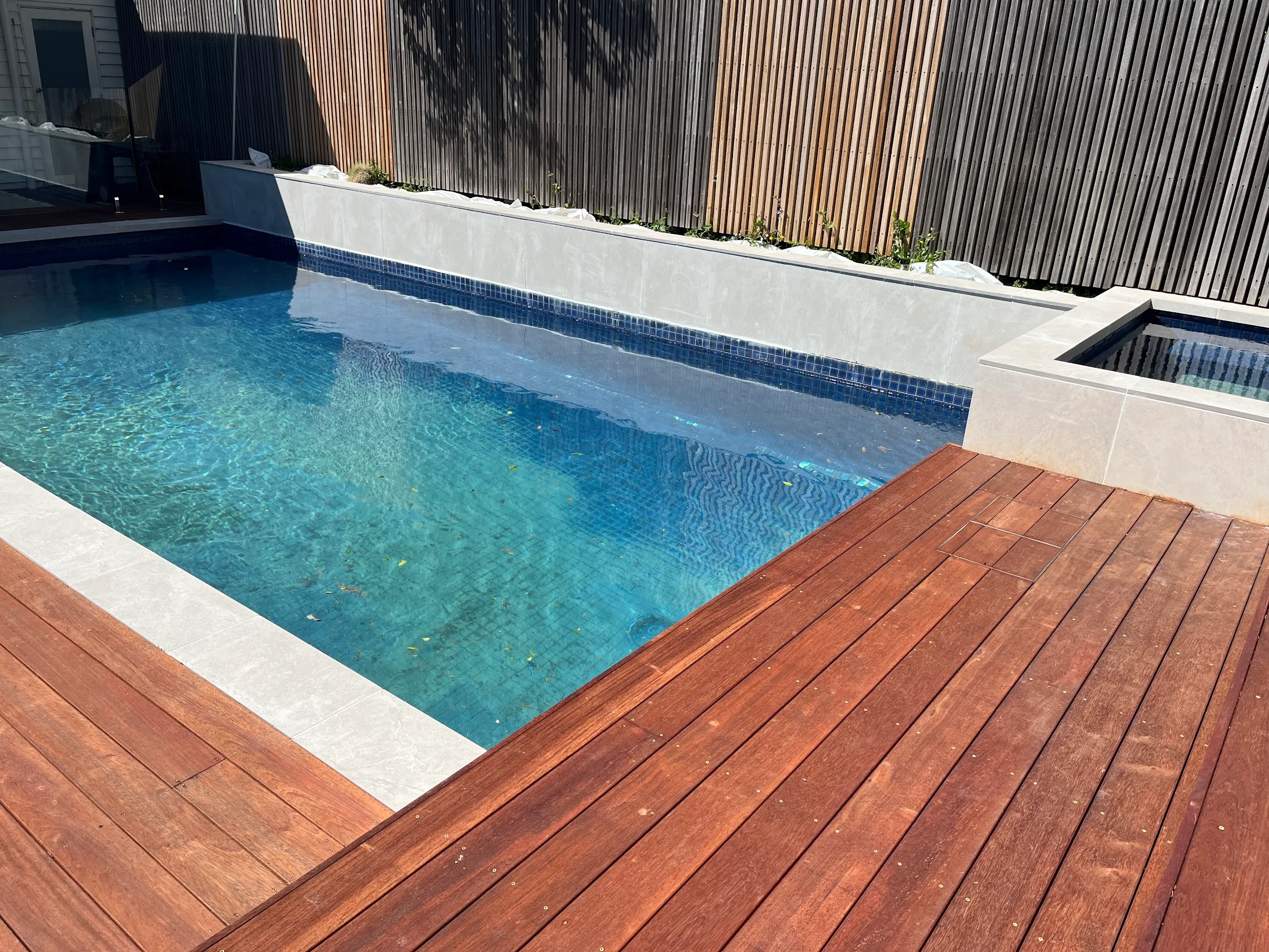
Materials are chosen for longevity, not trend.
Working with Bushfire Codes — Without Losing Character
Bushfire regulations and green overlays are part of life along the coast. But they don’t need to strip a space of warmth or identity.
In fact, they often lead to stronger design outcomes:
- Cleaner lines
- Fewer, better materials
- Clear separation between built form and vegetation
- Thoughtful placement of fire features and planting
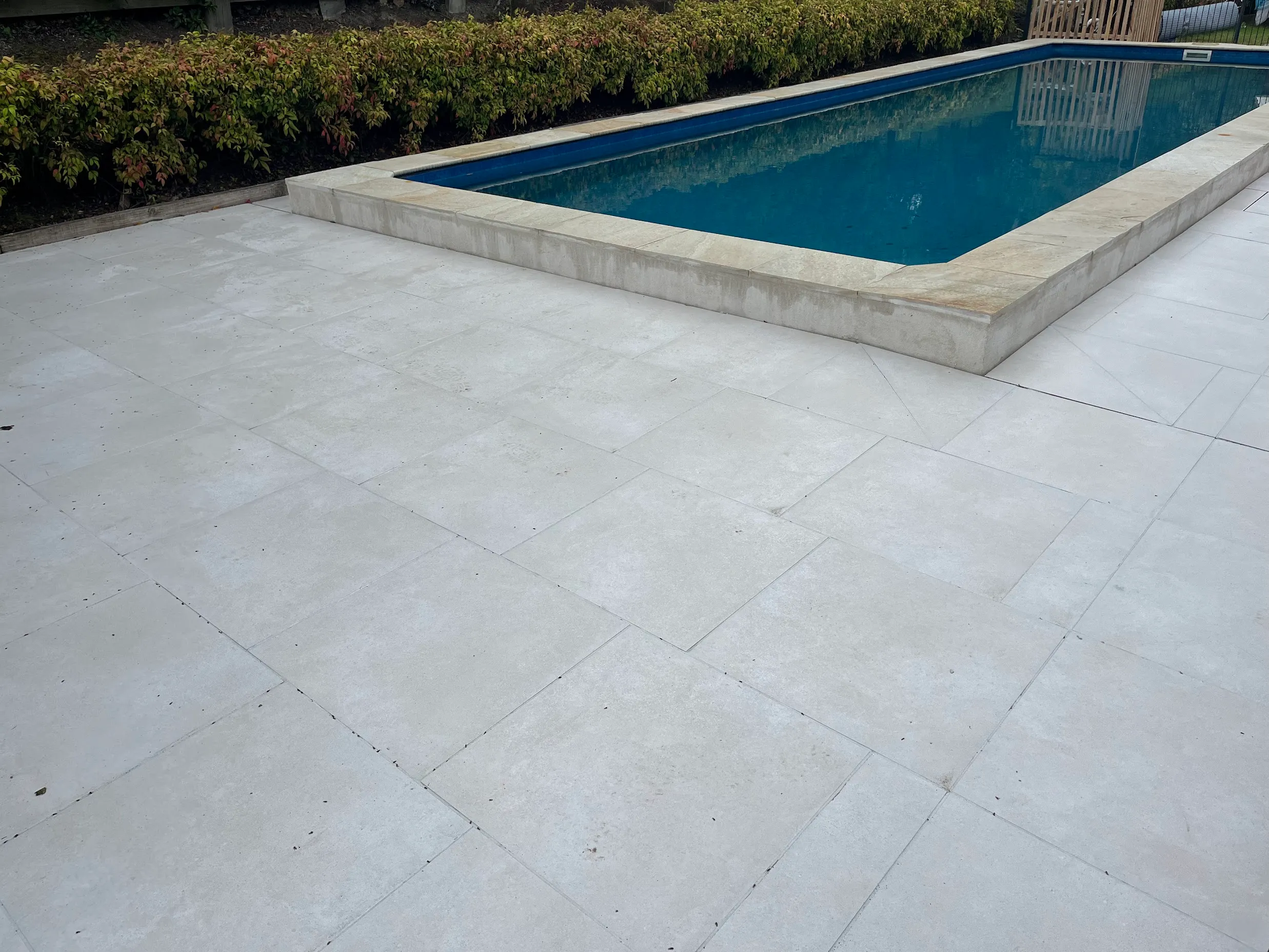
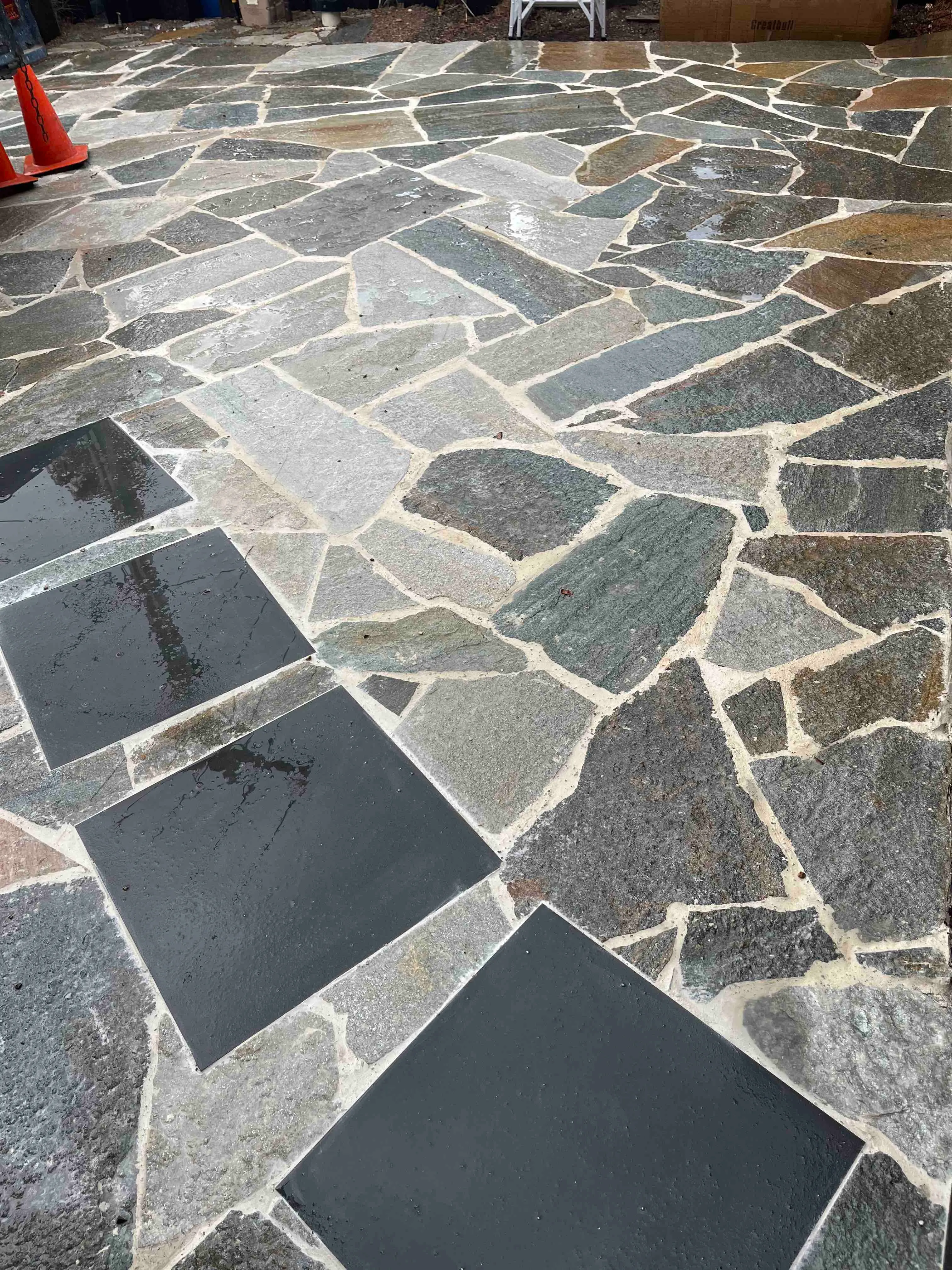
Concrete, porcelain, steel, and fire-rated composites become design tools, not compromises—especially when paired with careful detailing and proportion.
Letting the Landscape Do the Heavy Lifting
The land along the Great Ocean Road already tells you what to do—if you pay attention.
Good coastal landscapes often:
- Align geometry with natural contours
- Use stepped or subtly angled retaining for strength and softness
- Frame views rather than chasing them
- Create privacy without enclosure
The goal isn’t to dominate the site.
It’s to sit comfortably within it.
A New Definition of Coastal Luxury
Luxury out here looks different.
It’s not about size or spectacle.
It’s about confidence and restraint.
- Being sheltered when the wind turns
- Sitting at the right angle for late-afternoon light
- Materials that still look good after years of salt air
- Spaces that feel safe, grounded, and calm
The best outdoor areas don’t shout.
They invite you to slow down.
Design That Belongs to Place
When outdoor spaces are designed this way, they don’t feel “new” for long. They feel inevitable—as though they’ve always belonged to the site.
That’s the difference between landscaping on the Great Ocean Road and landscaping for it.
Thinking about reimagining a coastal property?
Whether you’re working with a steep block, bushfire overlays, or simply want to make better use of your views and terrain, the most rewarding outcomes come from site-first design.
Spaces that respect the land.
Materials that last.
And ideas that grow more meaningful over time.
Coastal outdoor living - Built with care, designed with heart.
📍 Great Ocean Road, VIC
📞 Contact Bryce Minett Landscaping to explore how we can design your ideal outdoor space—on flat land or sloped, coastal or inland.